
Convenience is the Enemy.
Dispatch 10.o

There are still places in America where you can disappear long enough to remember who you are before the machine started selling it back to you.
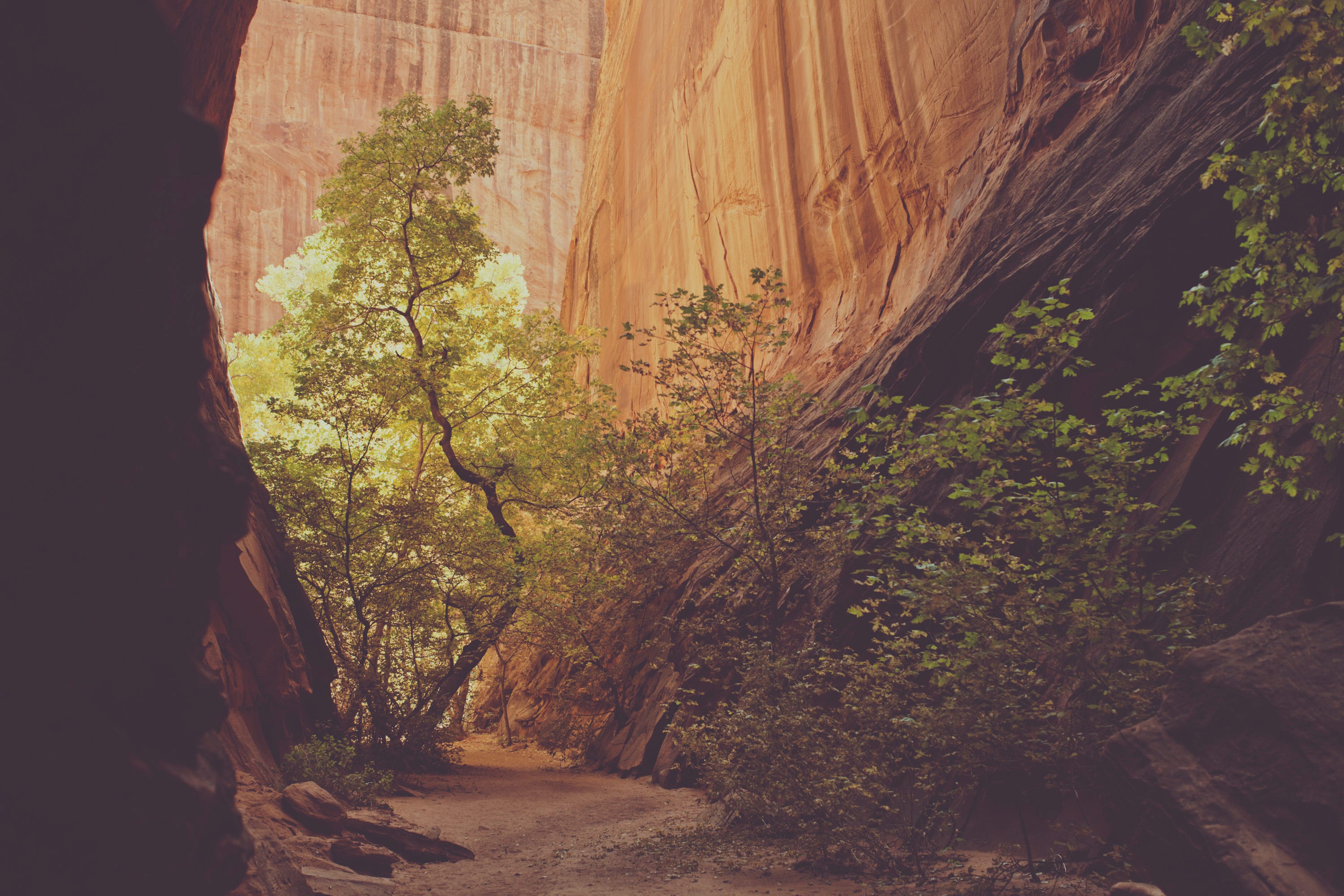
Grand Staircase Escalante National Monument is one of them.
And naturally, we are trying to ruin it.
Not all at once. Americans never destroy beauty, honestly. We do it slowly, bureaucratically, under the narcotic haze of convenience. We soften the edges. Add railings. Improve access. Build infrastructure. We tell ourselves we are helping. Then one day the wild thing is dead and replaced by an interpretive sign, a parking lot, and a family from a far-off suburb eating protein bars beside a bio-cust soil closure notice.
Recently, they chip-sealed the first 10 miles of Hole in the Rock Road.
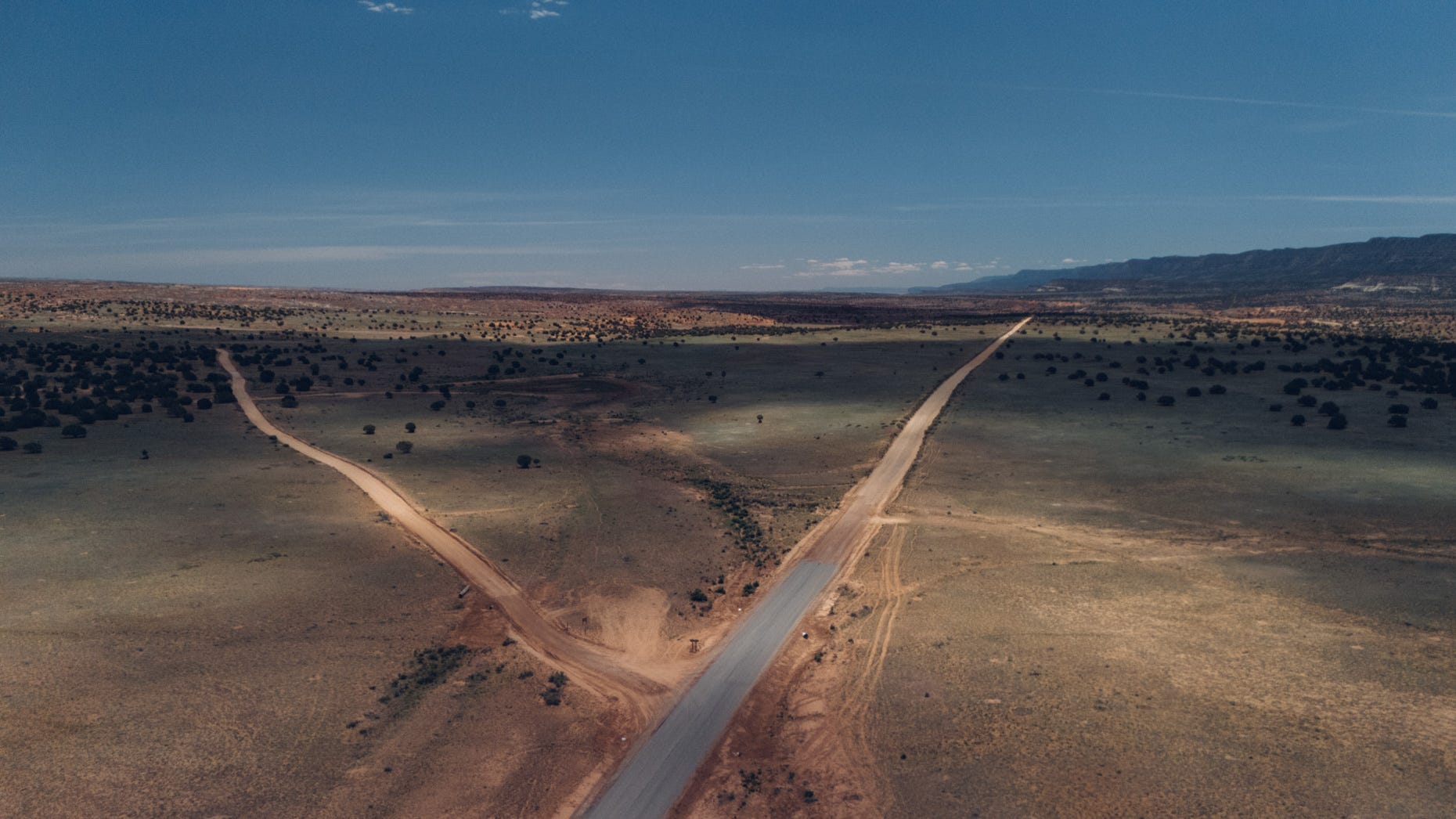
Some people celebrated this. The same people who park as close to the store’s door as possible. Somewhere along the lines, they went from, “Give me liberty or give me death.” To “Give me convenience or give me death.”
Dust control, public safety. Better access. The language always arrives polished and reasonable, usually from people who think the desert should behave more like a suburban park. Another small concession in America’s endless campaign against inconvenience. Abbey saw it coming years ago. Once a place becomes too easy, something essential leaves it. The washboard roads, the isolation, the uncertainty, those were never flaws in the system. They were the system. The desert was supposed to ask something of you. And when every wild place can be consumed comfortably through tinted glass and air conditioning, the experience stops being real and starts feeling like another attraction along the interstate.
And now they are circling the monument again. Politicians and extraction interests speaking the language of efficiency and resource management, trying to redraw maps from air-conditioned offices hundreds, if not thousands, of miles away. The old arguments return dressed in new suits or worse, athleisure. Coal beneath the Kaiparowits. Development. Access. Economic necessity. America is forever confusing liquidation with prosperity.
But this fight was never really about coal or roads or grazing permits.
Grand Staircase Escalante does not need to become easier.
It needs defenders.
People willing to recognize that not every road should be paved, not every canyon optimized for tourism, not every inch of the American West converted into commodity.
Because once places like this are gone, they don’t come back.
You can’t resurrect mystery after it has been subdivided, branded, and smoothed into mediocrity. There’s magic in those canyons, part of that magic is the effort to get there.
It’s about whether places like Escalante are allowed to exist beyond the appetite of the market.
Whether silence itself still has value.
Whether a landscape can remain difficult, remote, and spiritually dangerous in a civilization increasingly engineered to eliminate all three.
“[The modern age] knows nothing about isolation and nothing about silence. In our quietest and loneliest hour the automatic ice-maker in the refrigerator will cluck and drop an ice cube, the automatic dishwasher will sigh through its changes, a plane will drone over, the nearest freeway will vibrate the air. Red and white lights will pass in the sky, lights will shine along highways and glance off windows. There is always a radio that can be turned to some all-night station, or a television set to turn artificial moonlight into the flickering images of the late show. We can put on a turntable whatever consolation we most respond to, Mozart or Copland or the Grateful Dead.”
-Wallace Stegner
Escalante (the National Monument, not the town) has always demanded something from you.
Patience. Competence. Humility. The monument strips away performance. You either know how to move through country like this or you don’t.
That honesty is becoming rare in America.
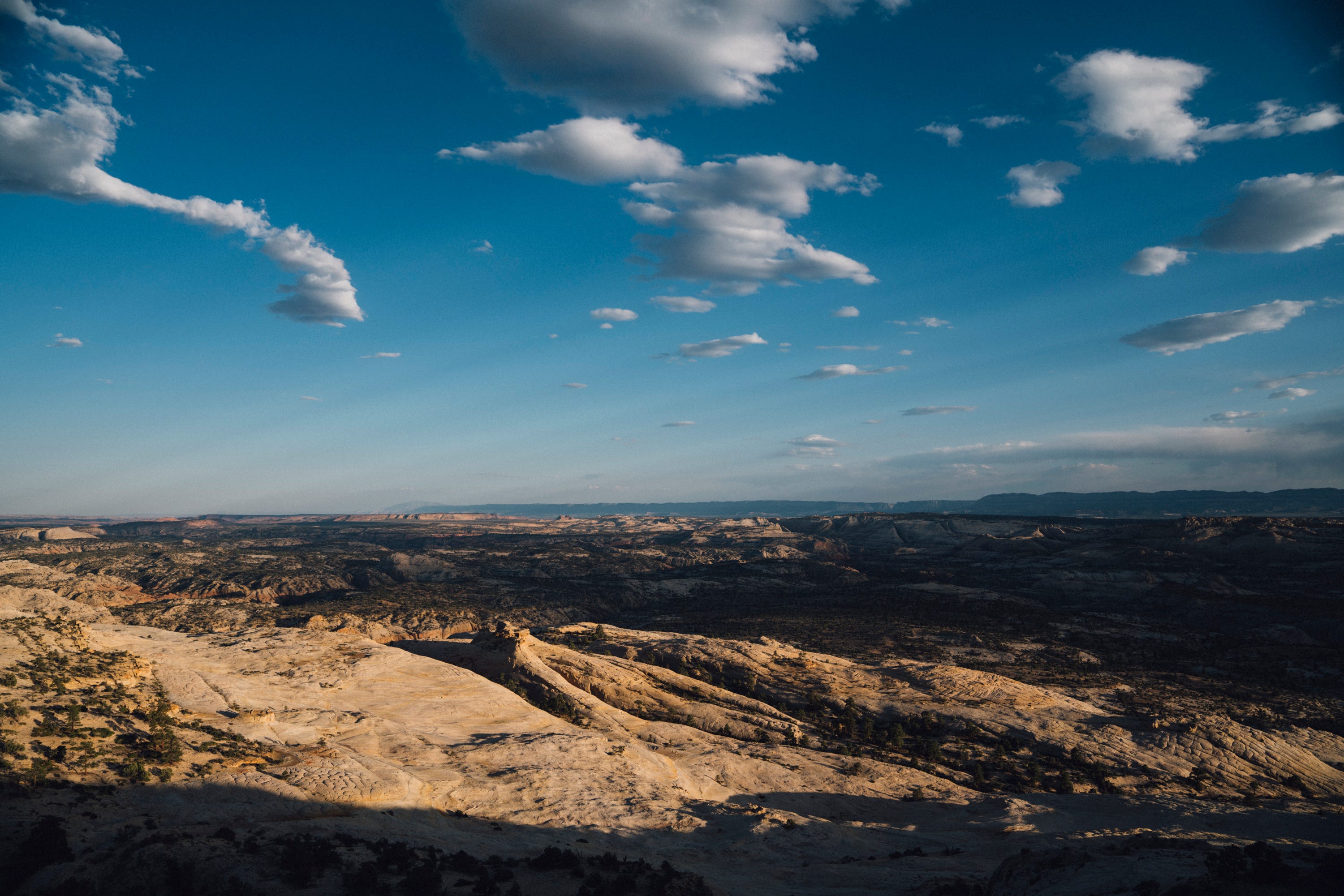
The first time I drove deep into the monument I was on assignment for National Geographic Adventure, back before everyone carried a tracking device in their pocket disguised as a phone. Once you dropped south of Escalante, the town, the world simply fell away. No signal because there was no signal to lose. Back then, you disappeared when you went into the desert. Really disappeared. Nobody could reach you because there was nothing to reach. The road stretched on forever, washboard so violent it felt like the truck might shake itself into pieces. Storms rolled across the bentonite hills turning them purple and gray and the color of old ash. At night the sandstone lit up pale beneath the moon, glowing out there in the dark like bleached bone. Sandstone domes glowing ghost white in the moonlight like something abandoned by another civilization. Slot canyons twisting through Navajo sandstone deposited nearly two hundred million years ago when this entire region was an immense inland sea stretching across what is now Utah, Arizona, and Colorado.
The scale rearranges your brain chemistry.
You stop thinking in quarterly earnings and follower counts. You start thinking in terms of erosion rates. Flash floods. Water sources. Shade. Fuel range. The strange miracle of cottonwoods surviving in canyon bottoms where sunlight is seldom seen. The desert recalibrates you through indifference.
That indifference is what people mistake for emptiness.
Everett Ruess understood this before most people even knew where Escalante was. A teenager wandering the canyon country in the 1930s with burros and sketchbooks, writing letters home that sounded less like correspondence and more like prophecy. “I have been thinking, dreaming, almost living over the things I plan to do.” Then he vanished somewhere down the 50 Mile Road and became part of the mythology of the West itself.
People still search for him out there. NEMO.
Maybe because they recognize something of themselves in the story. The desire to walk away from the constant noise completely. To disappear into a landscape vast enough to erase the artificial versions of yourself accumulated in modern life. Ruess was not running from civilization so much as toward something more honest.
The desert has always attracted those kinds of people.
Politicians have been trying to monetize this region for generations. Uranium. Coal. Grazing. Extraction is always waiting in the wings like some drunk uncle convinced the family ranch would really thrive if everyone would just let him drill one more well. The Kaiparowits Plateau alone contains one of the largest coal deposits in the United States. That reality turned Escalante into a blood feud disguised as public policy.
When former president Bill Clinton designated Grand Staircase Escalante National Monument in 1996, locals lost their minds. Rural Utah saw outsiders locking up land they depended on. Environmentalists saw one of the last intact landscapes in the lower forty eight narrowly escaping industrialization. Both sides thought they were defending the West. Maybe both were right.
But here is the uncomfortable truth nobody likes discussing.
The modern economy has become incapable of assigning value to silence and empy space.
Or darkness.
Or remoteness.
Everything must produce. Everything must scale. If a landscape cannot generate enough tourism revenue, timber, grazing or mineral extraction, America starts eyeing it nervously like an underperforming employee. A red line on a spreadsheet. The idea that land might possess intrinsic value beyond economic utility feels radical now.
Escalante rejects that logic completely.
That matters.
The Hole in the Rock pioneers understood this in 1879 when Mormon settlers carved an impossible wagon route through vertical sandstone cliffs searching for the San Juan River country. Lowering wagons down sheer rock faces with ropes. Starving. Suffering. Persisting anyway. 2 children were born in the 6-month expedition and miraculously, no one died. Their route still scars the slickrock today, a reminder that the West was not settled by influencers holding titanium coffee mugs against sunrise vistas.
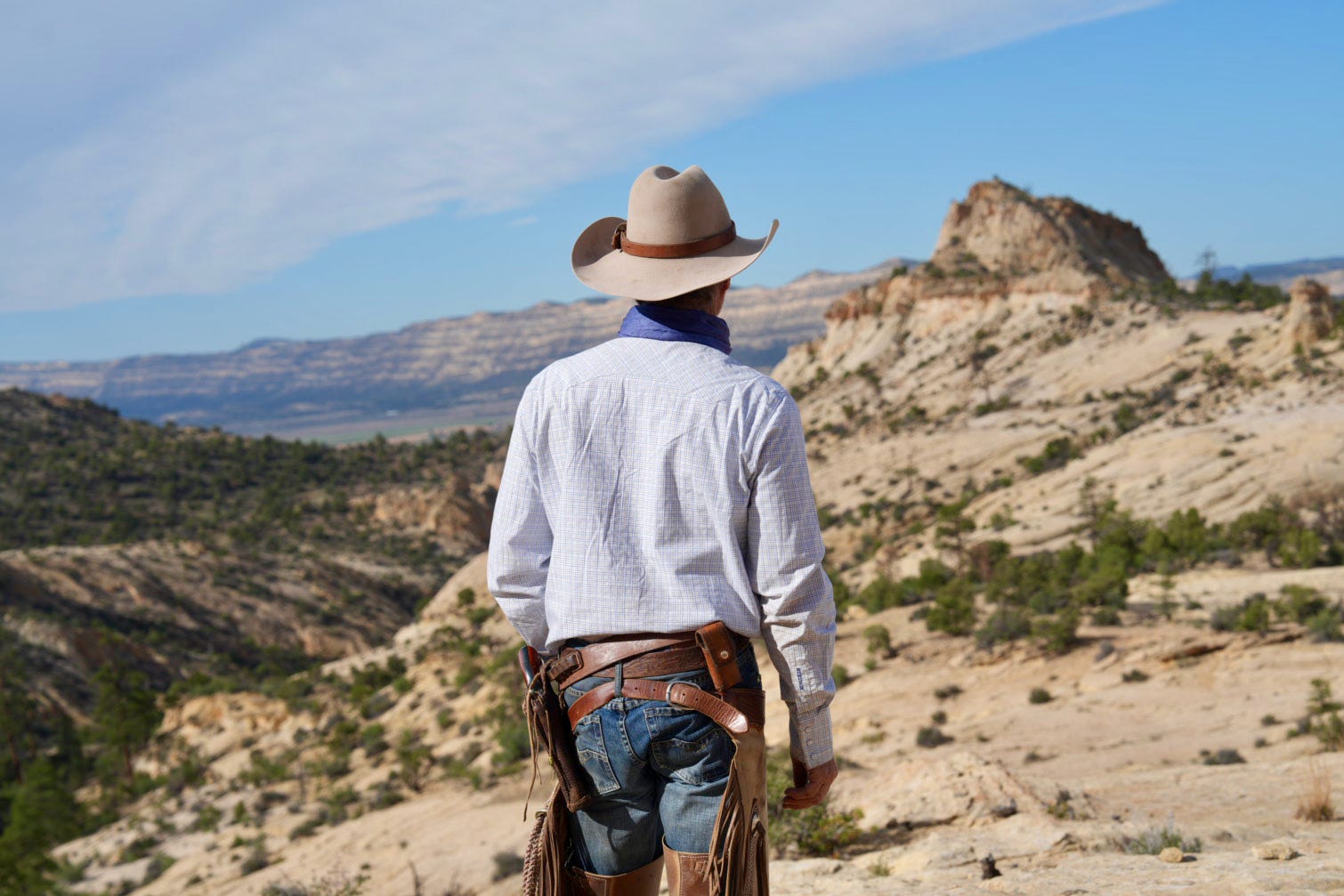
Long before them the Fremont people moved through these canyons leaving pictographs beneath alcoves and ghostly anthropomorphic figures staring out across centuries. Later came Ancestral Puebloans building granaries and dwellings into cliff walls so high and inaccessible they still seem impossible. Ranchers followed. Then uranium prospectors. Then river runners, canyoneers, dirtbags, car campers, trust fund escape artists, cosplaying authenticity in old Toyotas with the perfect patina.
The monument absorbs everyone eventually.
That is what makes Escalante sacred. Not sacred in the polished Aspen wellness retreat sense, where wealthy people pay for sound baths and call it transformation. Sacred in the older sense. Biblical almost. Severe. A landscape capable of humiliating human ego at scale.
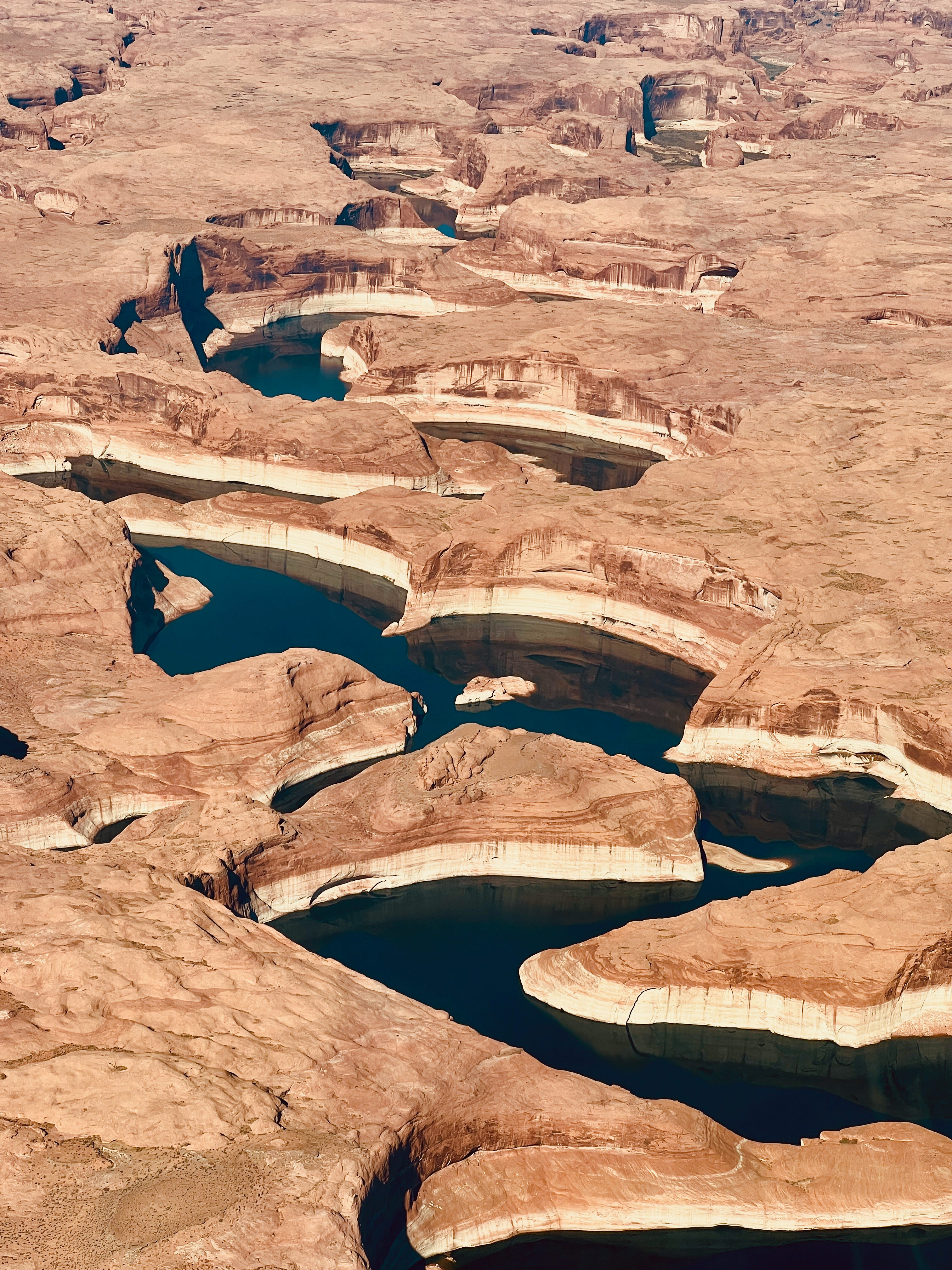
I’ve flown over the Escalante drainage in a little bush plane and it does something unsettling to your sense of proportion. Down there the canyons fold into themselves for miles, water still carving through stone the same way it has for millions of years, and suddenly the rest of modern life starts feeling embarrassingly small. Resort towns debating wine bars and parking apps. People feeding photographs into machines because they’ve forgotten how to look at the real thing. Chasing an instagram post, a modern day postcard. Everybody is selling some contrived version of themselves online, like they’re standing at a flea market trying to unload counterfeit watches.
Meanwhile the desert just keeps going about its business.
Storms tear across the plateau. Sandstone breaks apart grain by grain. Floodwater cuts deeper into canyon walls every spring. The whole landscape moving according to a clock humans can barely comprehend.
And still we look at it and think it needs improvement.
That’s the part Abbey understood better than almost anyone. The threat was never only mining roads or drill rigs. It was the softer stuff. Comfort. Convenience. The need to make every wild place accessible enough for somebody pulling a rental camper and ordering cortados from their phone.
First they smooth the road.
Then traffic follows.
Then comes the infrastructure.
Then the matching boutiques and tasteful earth tone architecture and another town full of people dressed like they’re headed on expedition while avoiding anything remotely difficult.
That’s how places lose their soul.
Which is why Escalante matters. Because it still has enough rough edges left to remind you the world does not exist solely for your convenience.
Where silence still exists.
Where the country has enough scale left to make humans feel appropriately small again.
America would become spiritually poorer without places like this.
Even if most Americans are too distracted to notice until they’re gone.
One of the best opening paragraphs to any article I've read in a long long time. Bravo.
" There are still places in America where you can disappear long enough to remember who you are before the machine started selling it back to you. "
Fantastic. 👏. I read this right after I heard Lee lost at his attempt to undermine the GSENM management plan. For now.