
Taste is Distinction
Manifesto 13.o


Taste is slow. That is the part people forget. It does not arrive optimized, it does not announce itself, it does not chase approval. Taste is built through time, friction, and attention. Through miles traveled for no practical reason. Through love that demands presence rather than performance. Through living with things long enough for them to stop impressing others and start revealing themselves to you.
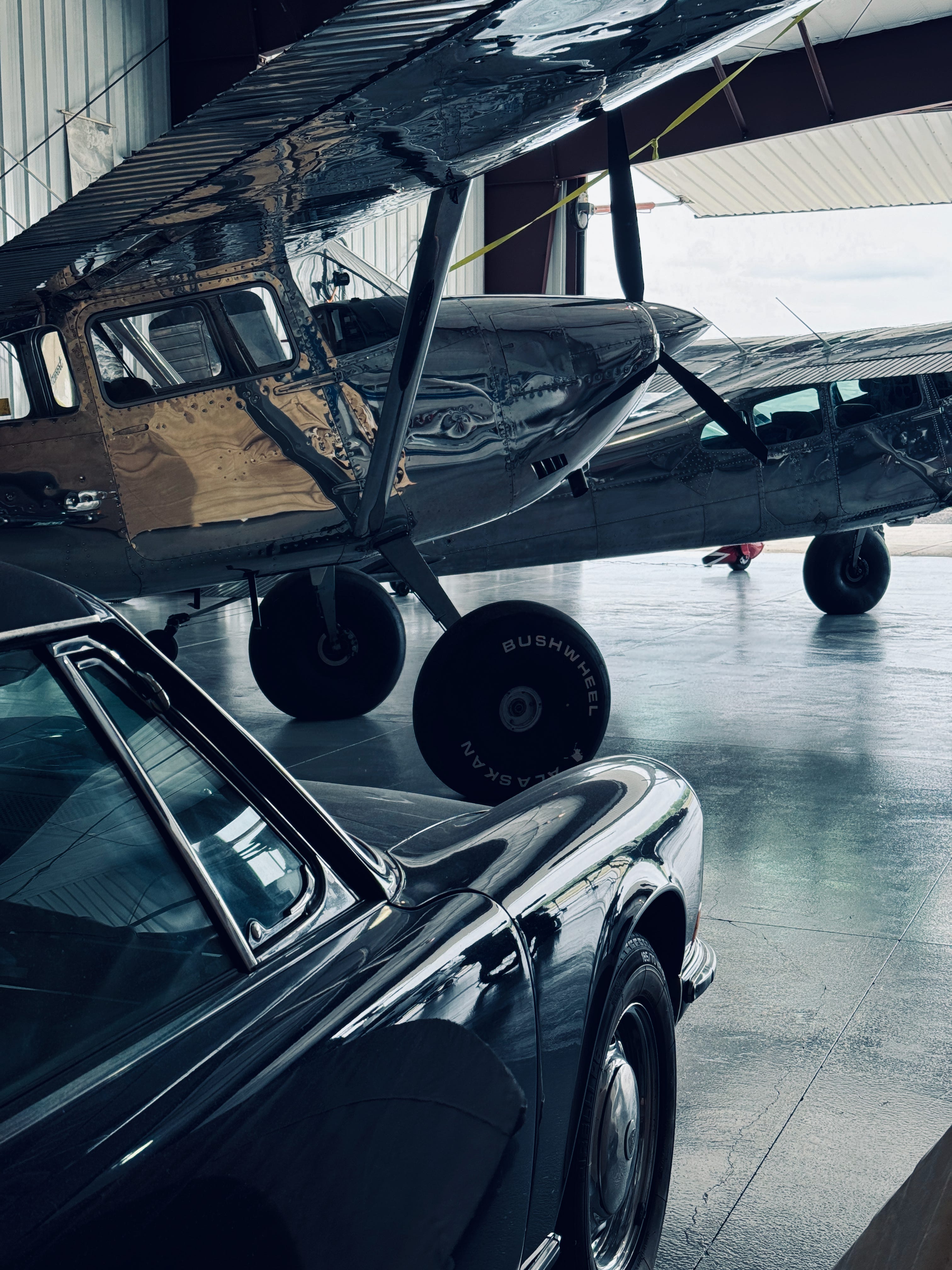
I learned this through travel and through a long, stubborn relationship with Land Rovers. You do not choose an old Rover because it photographs well or because it is having a moment. You choose it because it aligns with a way of moving through the world. Repair over replacement. Familiarity over novelty. The willingness to be slowed down. The truck teaches you taste by breaking at inconvenient times and forcing you to decide what matters. You either commit or you move on.
Pierre Bourdieu argued in Distinction that taste is a social language, a code shaped by class, exposure, and education. What he understood is that taste requires context. It requires knowing not just what you like, but why you like it, where it came from, and what it is responding to. Taste is not instinct alone. It is cultivated awareness.
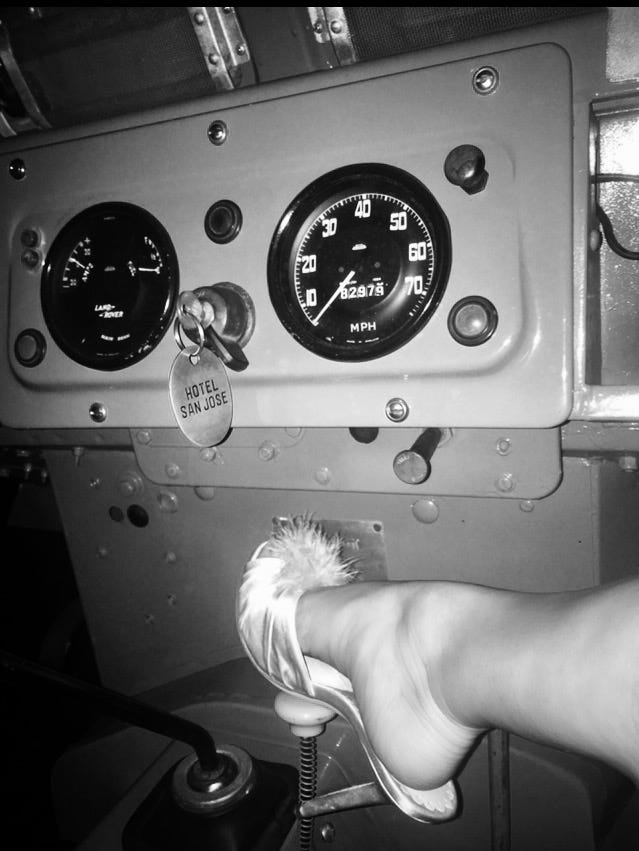
That awareness is now under threat. The algorithm has replaced instinct. We live inside cultural feedback loops where virality becomes validation. If enough people like something, it must be good. Opinions are pre packaged. Aesthetics arrive pre approved. Originality is simulated through repetition. We scroll, save, wear, and repeat without stopping to ask what we are actually consuming.
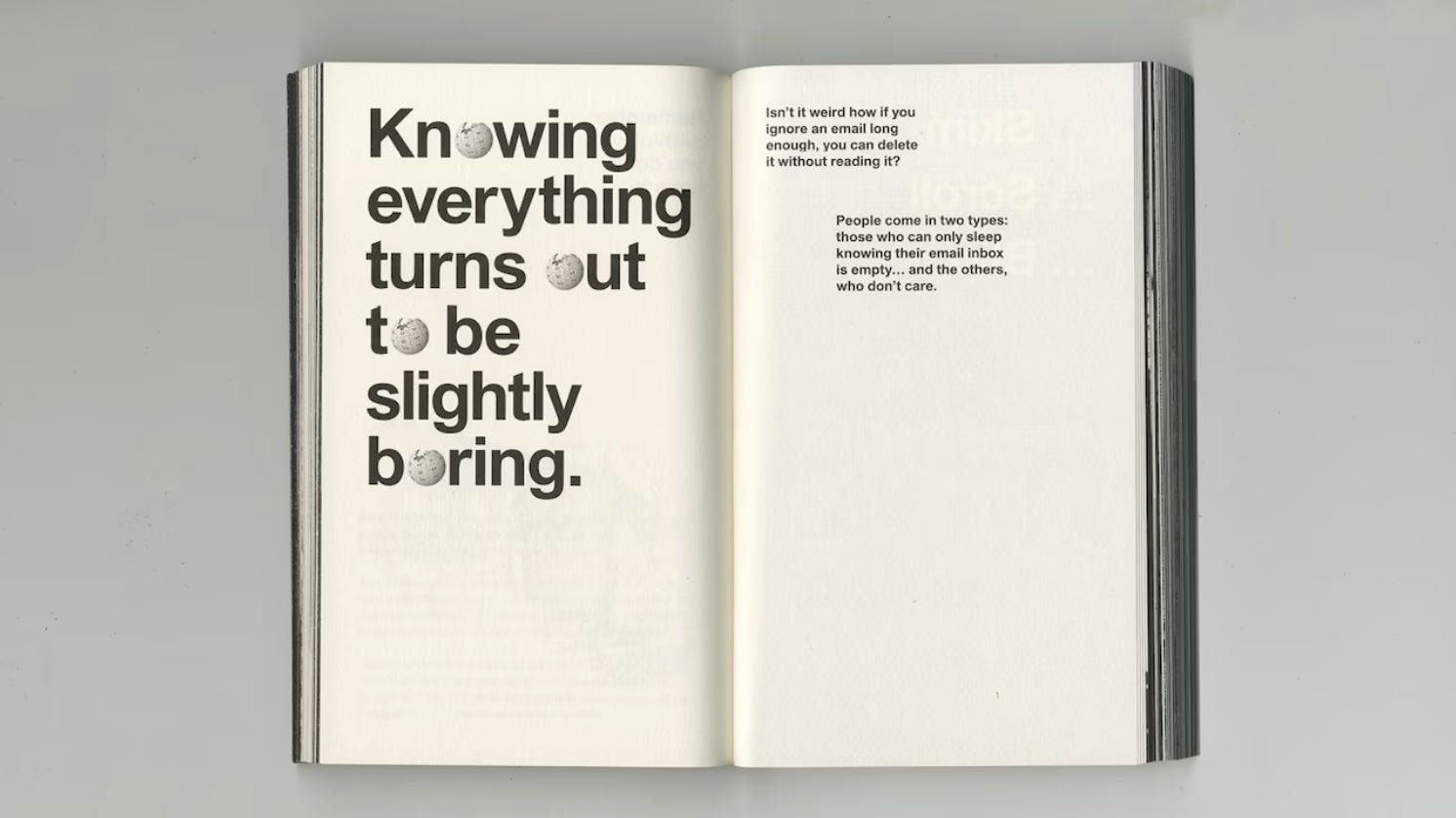
This is the death of discernment. Taste has been outsourced to the network. As Shumon Basar writes in The Age of Earthquakes, we are living through a time when thinking is delegated to the system and feelings are filtered through filters. That applies directly to taste. We feel what we are told to feel. We like what we are shown to like.
People now confuse taste with trend fluency. They collect references the way others collect sneakers. They swap opinions like accessories. One week it is ironic maximalism. The next it is some newly named core aesthetic stripped of origin and history. Fashion collapses into memes. Nostalgia becomes branded. Nuance disappears because nuance does not travel well at scale.
A recent study from the London College of Fashion confirmed what is already visible, that most people adopt trends directly from platforms like TikTok or Pinterest without any curiosity about origin or context. That is not a personal failure. It is the result of a system that rewards speed and punishes reflection. Everyone is trying to be different, the same way.
Real taste resists that system. It is not about consensus. It is about consciousness. It requires curiosity and pushback. It asks you to sit with discomfort and uncertainty. It asks you to choose slowly. Travel teaches this. Love teaches this. So do objects that demand care and patience. They create space for discernment because they cannot be reduced to a thumbnail.
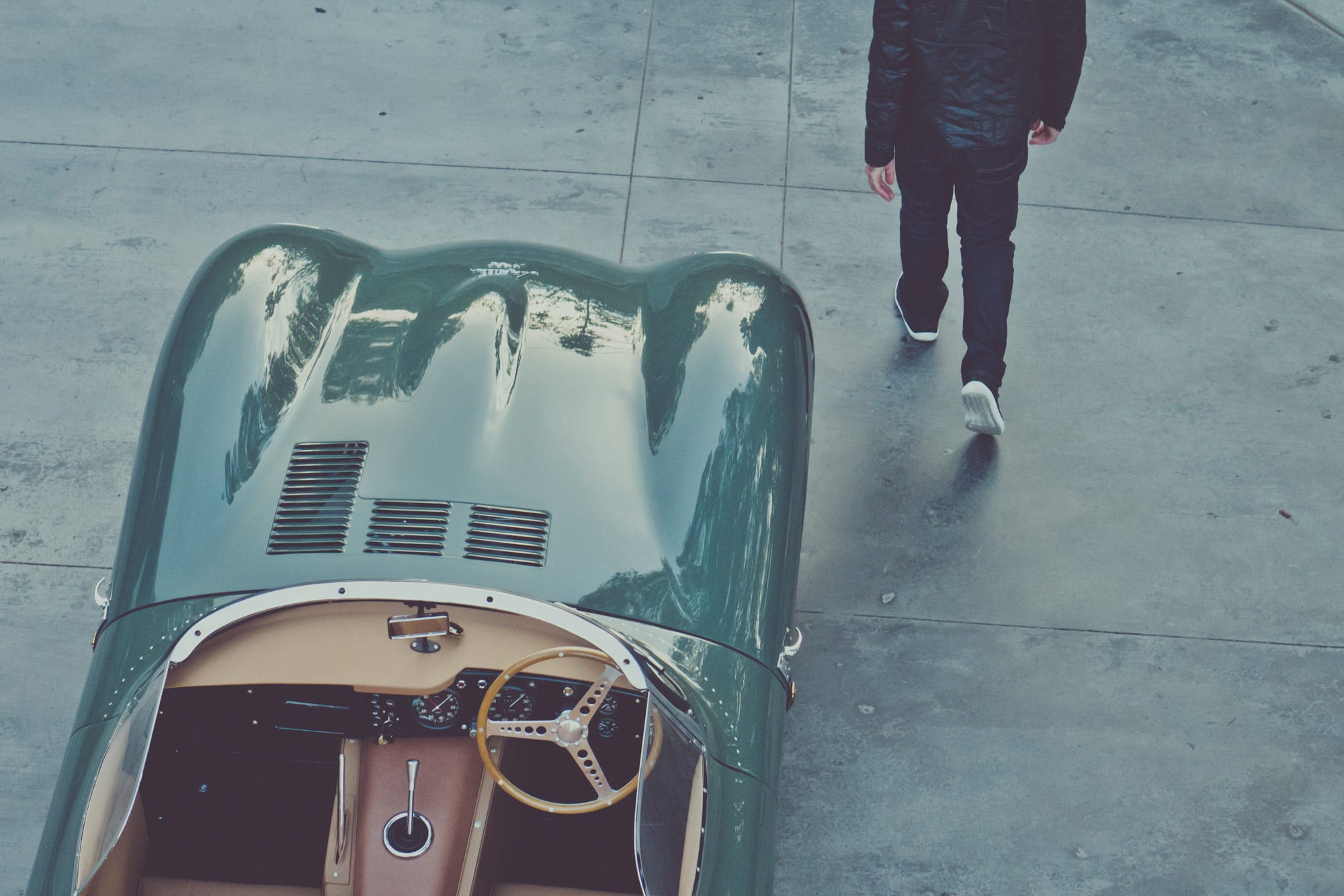
So what does real taste look like now. It looks like knowing what you like before the internet tells you. It looks like choosing fewer things and living with them longer. It looks like understanding references instead of borrowing them. It looks like taste as a private compass rather than a public signal.
Taste is not about being early or loud. It is about being rooted. Like an old Land Rover still moving under its own power, it only reveals its value over distance. So when we say taste is distinction, we mean this. Taste is the ability to discern, to separate signal from noise, to choose with awareness. It is not what you consume. It is how consciously you consume it.
Absolutely spot on. And so well said. I’ve been feeling like this for quite a while now and you described it so well.
Bravo. I recently had the revelation that barrel pants are the new bell bottoms. I couldn’t figure out what the gimmick reminded me of until I had a few months to think it through.