
Matchbooks
Manifesto 14.o

I have never trusted souvenirs that explain themselves.
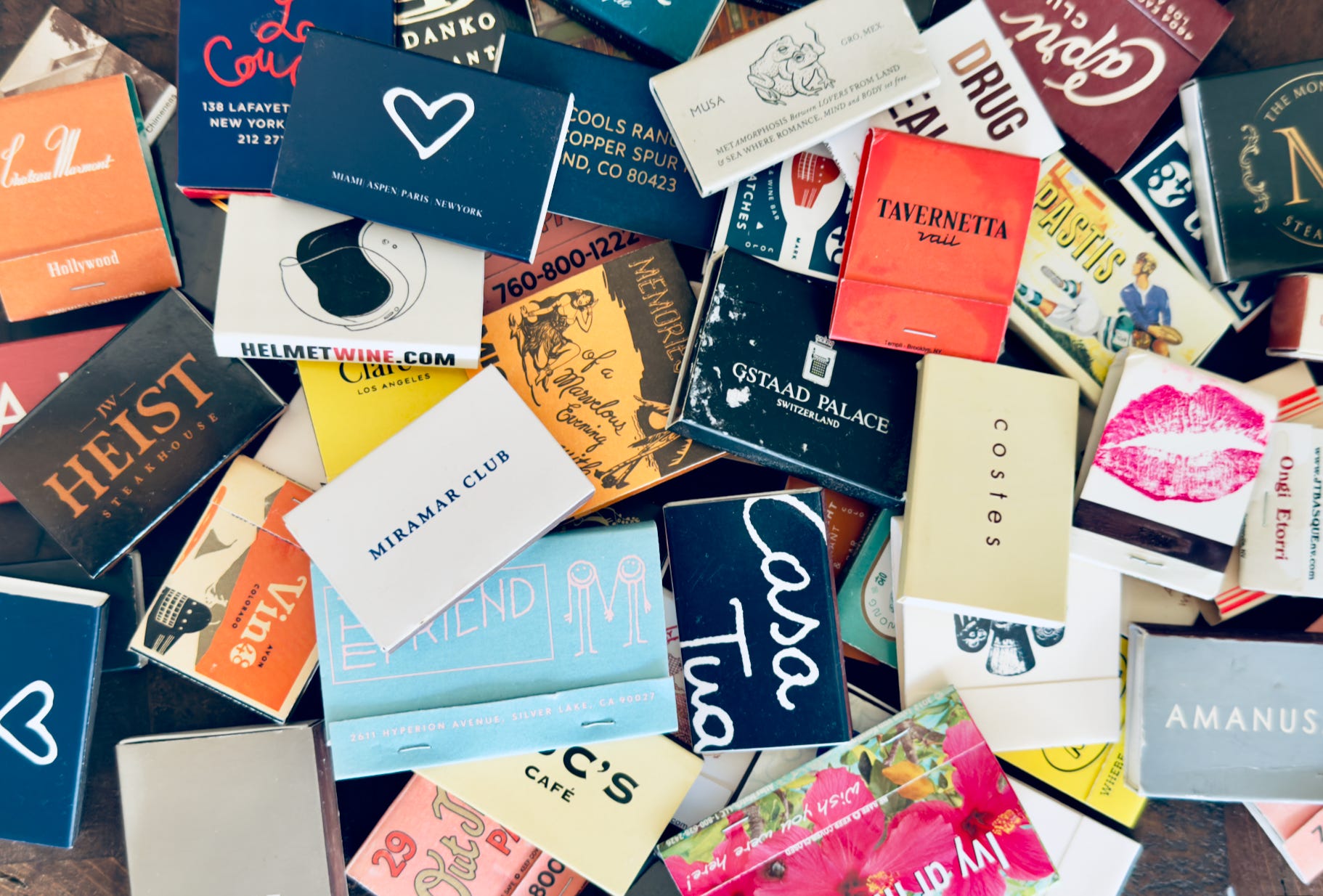
Snow globes. Shot glasses. T shirts with a towns name stretched across a chest like a press release. They announce where you went without offering any evidence of why it mattered. They perform memory instead of holding it. They’re tacky.
Matchbooks do something quieter.
They slip into a pocket. They wait. They resurface years later when you are not trying to remember anything at all. They are not proof of travel. They are proof of presence.
Good design is the entry point. Typography chosen by someone with taste instead of software. Logos that only make sense once you have been inside the room. Paper stock that absorbs smoke, oil, time. Matchbooks are graphic design without ambition. No mood boards. No strategy decks. Just a few inches of paper saying this is who we are.
They are useful, which gives them credibility. Fire is not aesthetic. It is practical. A cigarette on a balcony. A candle lit because the overhead light feels wrong. A moment that needs flame. Utility earns forgiveness. You keep the object because it does something.
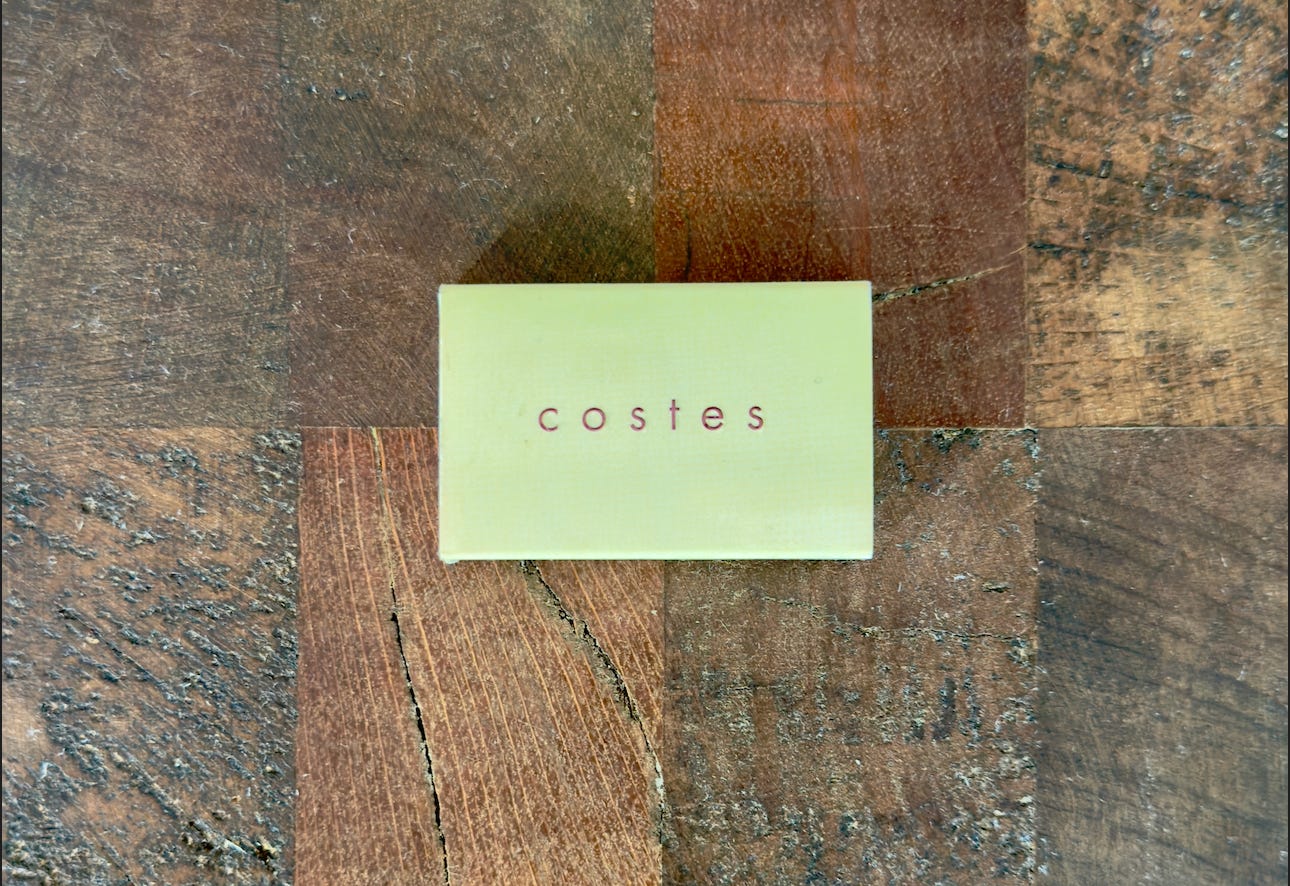
I think about Paris, late, unplanned, the kind of night that only works because no one is documenting it. Jamie Apastalou and I slipped into a bar after a train ride from London, finding a matchbook on the counter. Walking across the city to surprise Mikael Kennedy, the look on his face was somewhere between disbelief and laughter. That matchbook still smells faintly of smoke and rain. One strike and I am back there, shoes wet, laughing too loud, certain the night was infinite.
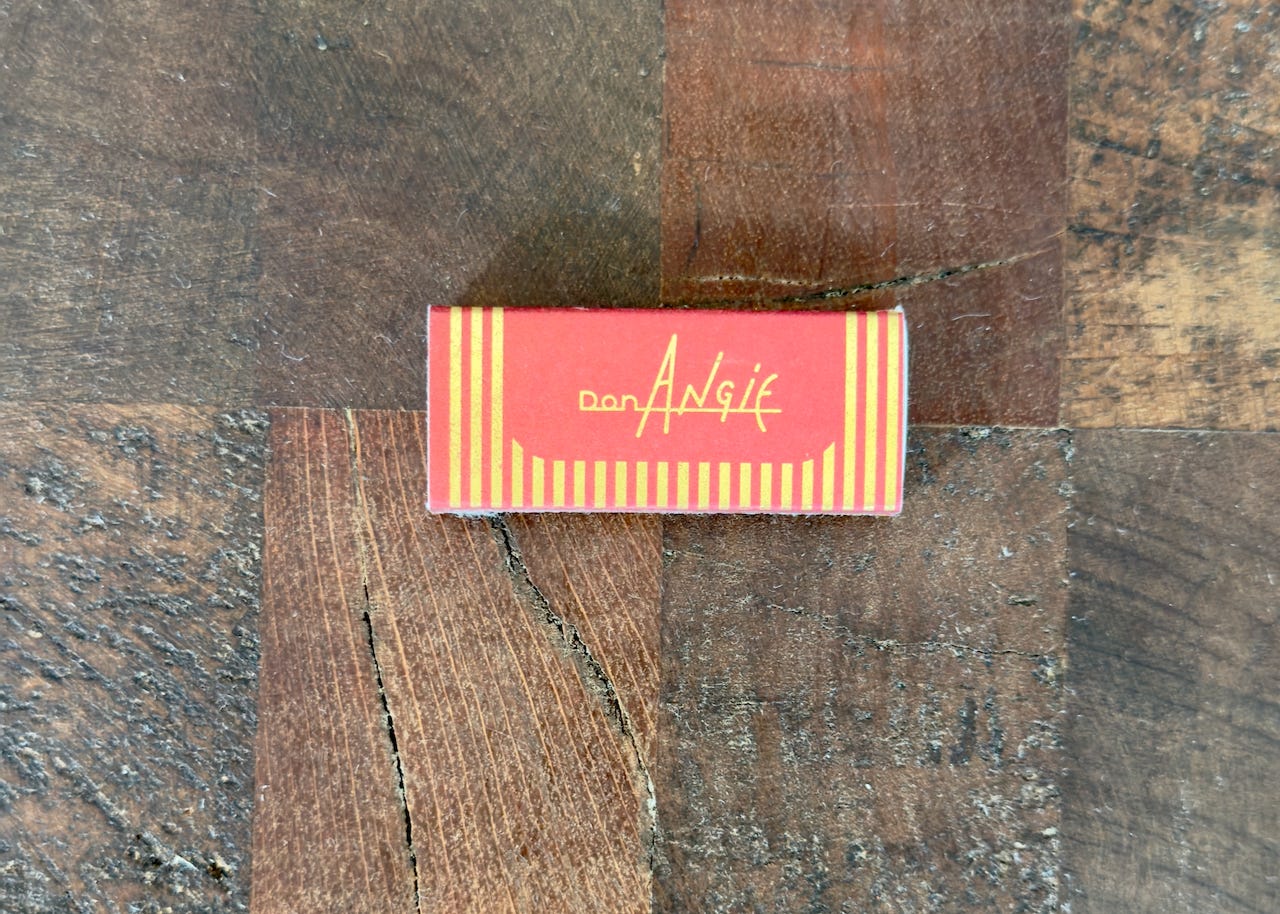
New York comes back differently. An old flame. A bar that felt temporary in the way the city always does. We took a matchbook without talking about it, like we both understood it was a placeholder for something we could not name. That one stayed in a coat pocket for years. When I found it again, the memory was sharper than any photograph. The tension. The ease. The sense that timing was the only thing that failed us.
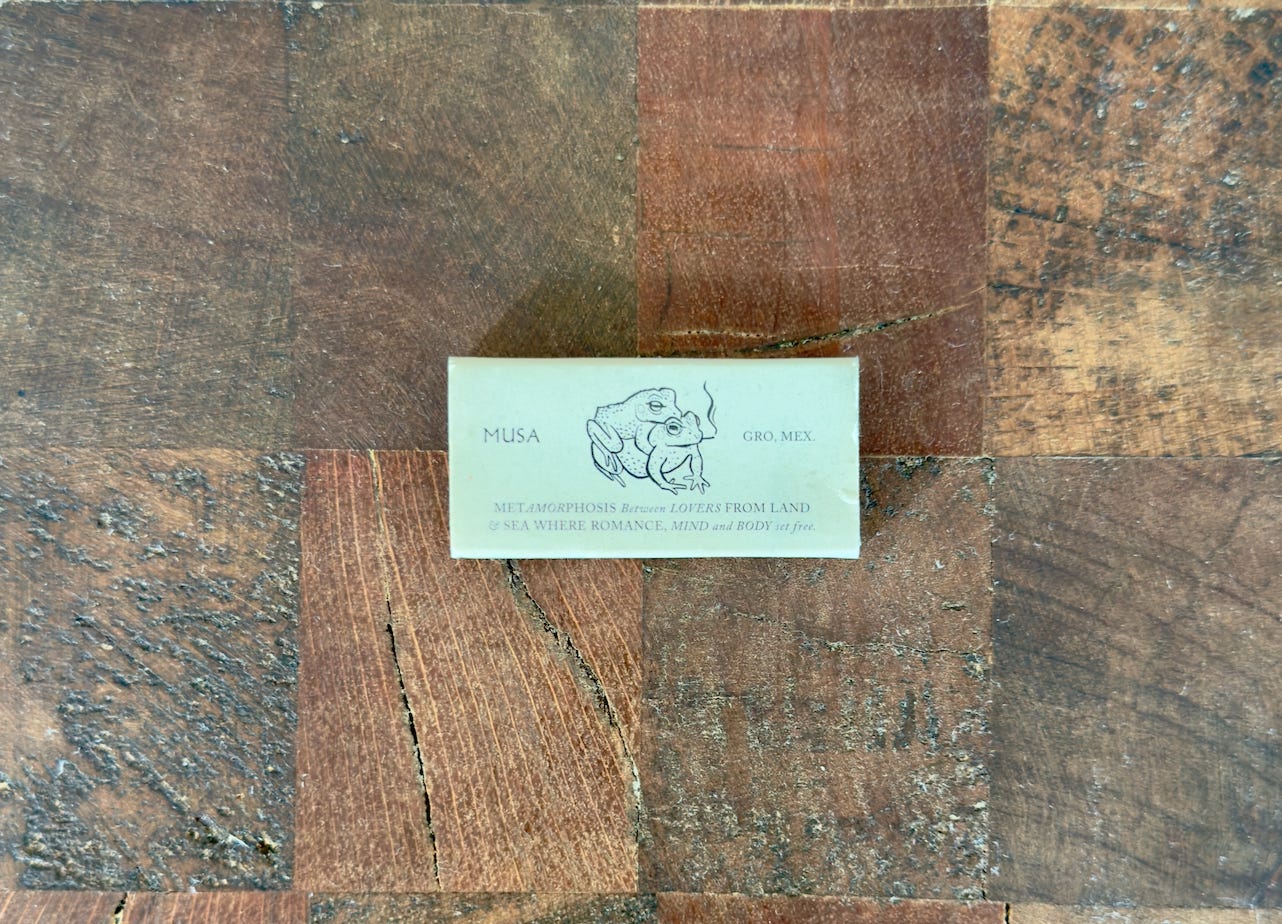
Then there was Zihuatanejo. Musa. Shooting a project for Hamilton watches. Long days, warm nights, salt in the air. The matchbook from that place carries heat. Sunburn. Mezcal. The strange clarity that comes when work and life blur just enough to feel honest. Magic. I remember striking one to light a candle in the room, the ocean just audible, thinking this is enough.
That is what matchbooks really do. They do not capture what you saw. They restore how it felt. The weight of the glass in your hand. The exact moment a conversation turned. The realization that you were fully there.
They are democratic. Expensive hotels and roadside bars understand the same gesture. You were here. You sat. You drank. You needed fire. They age honestly. Corners soften. Staples rust. Patina accumulates without permission.
In a world obsessed with sharing, matchbooks resist performance. They are private. They live in drawers and glove boxes and books. They wait for solitude.
Design. Function. Memory. Fire. All of it contained in something you can hold between two fingers.
I've got a small collection of matchbooks that I've gathered over the continents and the years. Unfortunately, they're becoming more rare to find as smoking fades in popularity or places look to cut any minimal cost they can find. Still, I find the "souvenirs" I appreciate the most aren't found in gift shops. On a recent trip across Italy and over to the Iberian Peninsula, my wife found gifts in Sorrento, Napoli, Barna, and Sevilla all emblazoned with names or likenesses across them. I took away very few things: photographs, some small trinkets or papers with restaurant names on them (similar to grabbing a matchbook), Trenitalia tickets being used as bookmarks, and, my favorite, a blue glass bottle that had water in it. It is a fairly simple bottle similar to old glass when they had the information in raised lettering rather than just a paper label. They're literally sold everywhere as bottled water. Most would just toss it in the recycling. To me it had the feeling of some care and thought put into the design, of trying to not seem like some disposable mass market piece destined for the landfill. Something you might find buried in the ground as you dig on the beach or begin a home construction project. It cost me nothing other than the cost of the water I purchased to drink. It sits catching the sun, with some flowers in it for my wife. It feels Mediterranean, brings to mind narrow streets winding around buildings hundreds of years old, and will probably remain in my possession long after the some of the trinkets others bought have been lost or found their way to the trash.
Gran texto, como siempre!