

Fifty-seven young men.
That is the number that has been rattling around in my head since reading about Cornell (5)7.
Not because I look at my son and imagine him becoming one of them. Quite the opposite. I look at my son and see the boy I have known his entire life. I know his tenderness, his humor, his instinct toward kindness. He loves his mother more than anything, stops to pet every dog, still needs his father sometimes, even as the distance between needing me and merely tolerating my advice grows a little wider each year.
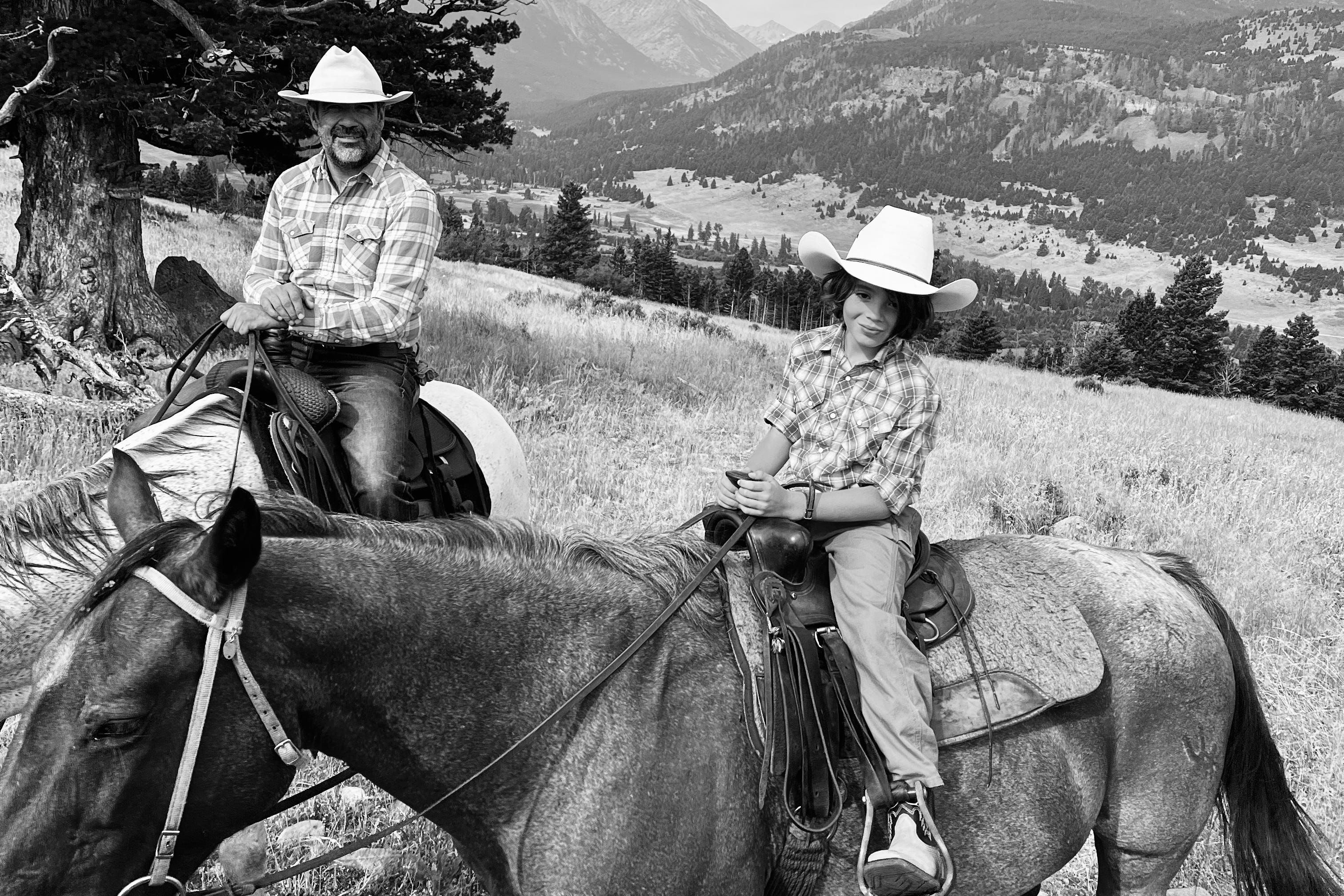
However, parenthood has an uncomfortable truth we rarely talk about. Almost every parent believes they are raising a good kid. We know their private version so intimately that it’s hard to imagine another version, one shaped partly by people we’ve never met, will emerge one day.
Eventually our good kids walk into rooms without us.
Locker rooms, dorm rooms, fraternity houses, parties, bedrooms, trucks parked somewhere after midnight, and now the strange digital rooms they carry around in their pockets, group chats where a photograph can travel through twenty phones before anyone stops to consider the person in it. We won’t know who’s been drinking, who is frightened, who is showing off, who desperately wants to belong, who’s said no, who hasn’t said anything at all. We won’t hear the joke that goes too far or see the moment when flirtation becomes pressure and loyalty becomes complicity.
We don’t get to decide what happens in those rooms. We get the years before.
When children are small, parenting feels wonderfully physical. Don’t touch the stove. Look both ways. Wear your helmet. Stay where I can see you. You spend half your life preventing a small human with absolutely no concept of mortality from accidentally testing it. Fire burns, cars kill, gravity is indifferent, and you can still solve most problems by grabbing the back of his shirt before he does something spectacularly stupid.
Then the dangers become harder to see because they begin happening inside him. Pride, loneliness, desire, anger, shame, insecurity, the hunger to belong.
Boys understand hierarchy remarkably early. Who is fastest, strongest, funniest, who gets invited, who gets ignored, who will jump from the highest rock. Somewhere along the way comes the inevitable challenge: prove it. Prove you’re tough. Prove you’re cool. Prove you’re not scared. Prove you’re one of us.
This is why I’ve come to believe one of the most important things I can teach my son is the difference between belonging and fitting in. Real friends shouldn’t require a continuous audition. You shouldn’t have to become crueler, louder, tougher, or more reckless to remain inside the circle. Friends who challenge you to become better are different from people who require you to become someone you’re not in exchange for their approval.
I also want him to take risks. Real ones.
I believe in risk because people discover things about themselves only when the outcome isn’t guaranteed. I’ve spent much of my life in mountains and deserts, on skis and ropes, rivers and roads that occasionally ceased behaving like roads. But courage and stupidity aren’t synonyms. Doing something that scares you because it matters is courage. Doing something stupid because three assholes are watching is theater.
Sometimes the bravest person in the group is simply the first one willing to say no.
Maybe that’s where the conversation about consent begins. Not in high school health class, not when we discover condoms in a backpack, definitely not while unloading a mini fridge at a college dorm.
It begins years earlier, when a four-year-old doesn’t want to hug someone, and we don’t force him; when the tickling stops because somebody says stop; when a child learns that his body belongs to him and another person’s body belongs to them. If I teach my son that his “NO” matters, I am teaching him that someone else’s does too.
As he gets older, the circumstances become more complicated, but the principle doesn’t. You ask. You listen. You pay attention. You don’t keep pushing until no becomes yes. Silence isn’t permission; freezing isn’t permission; surrender under pressure isn’t desire. Someone can change their mind, even if they kissed you five minutes ago, even if they came home with you.
Alcohol doesn’t simplify any of this. It complicates it. If you’re wondering whether someone is too intoxicated to consent, that uncertainty should tell you something. There will be another opportunity for sex. There won’t be another opportunity to undo violating someone.
I want my son to understand this not because I believe he’s dangerous, but because I love him enough to prepare him for situations where judgment matters.
Cornell has me thinking about something more complicated. What happens when your son isn’t the person doing something wrong, but the person standing beside them?
We teach children individual morality. Don’t steal. Don’t lie. Don’t hit. Don’t hurt people. But young men rarely experience the world one person at a time. They experience it in groups, and groups can do strange things to otherwise decent people. William Golding's novel Lord of the Flies is a perfect example.
I’ve watched this happen in a very different context for most of my adult life. I’ve led expeditions into places where decisions have consequences, sometimes immediate ones. Put six capable people together, and the group begins developing a personality of its own. Confidence becomes contagious, but so does bad judgment. One person drives an obstacle, and suddenly everyone thinks they should. Someone says the weather will hold and five people who quietly thought otherwise begin convincing themselves it will. Nobody wants to be the nervous one. Nobody wants to turn around. (I wrote about turning around being a skill HERE)
One of the things you learn as an expedition leader is that the most dangerous decision isn’t always the obviously reckless one. Sometimes it’s the decision nobody really made. It simply gathered momentum until everyone was participating in it.
I’ve learned to pay attention to the quiet person, the one who hesitates before the river crossing or looks at the sky a little longer than everyone else. Sometimes they’ve noticed something the rest of us haven’t. Leadership isn’t always convincing everyone to continue. Sometimes it means being the first person willing to say, “ This doesn’t feel right; we’re turning around.”
Human beings carry that same psychology everywhere.
A joke becomes acceptable because everyone is laughing. A photograph gets passed around because somebody else sent it first. A girl becomes a story rather than a person. Someone is drunk, someone is vulnerable, someone crosses a line, and suddenly the room contains six people waiting for somebody else to say something.
The circumstances are different, but the mechanism is remarkably similar. The group has momentum, and stopping it requires somebody willing to become temporarily unpopular.
That is what I want my son to understand about leadership. You don’t need to be the expedition leader, the captain, the oldest guy, or the loudest voice. Sometimes leadership is recognizing that everyone is moving in the wrong direction and having the courage to stop walking with them.
Sometimes the most important person in the room is the first one who says, “ We’re not doing this.”
And this is probably not one conversation with our sons, but a series of them. Not merely: don’t become the guy doing it. What will you do when the guy doing it is your friend? What if he’s your best friend? What happens when speaking up costs you something?
That is where friendship and character collide.
Loyalty is one of the qualities I value most. There are people I would cross a continent for, and I hope there are people who’d do the same for me. However loyalty should never require abandoning somebody else’s humanity. At some point, protecting a friend from the consequences of his behavior stops being loyalty and becomes cowardice wearing a team jersey.
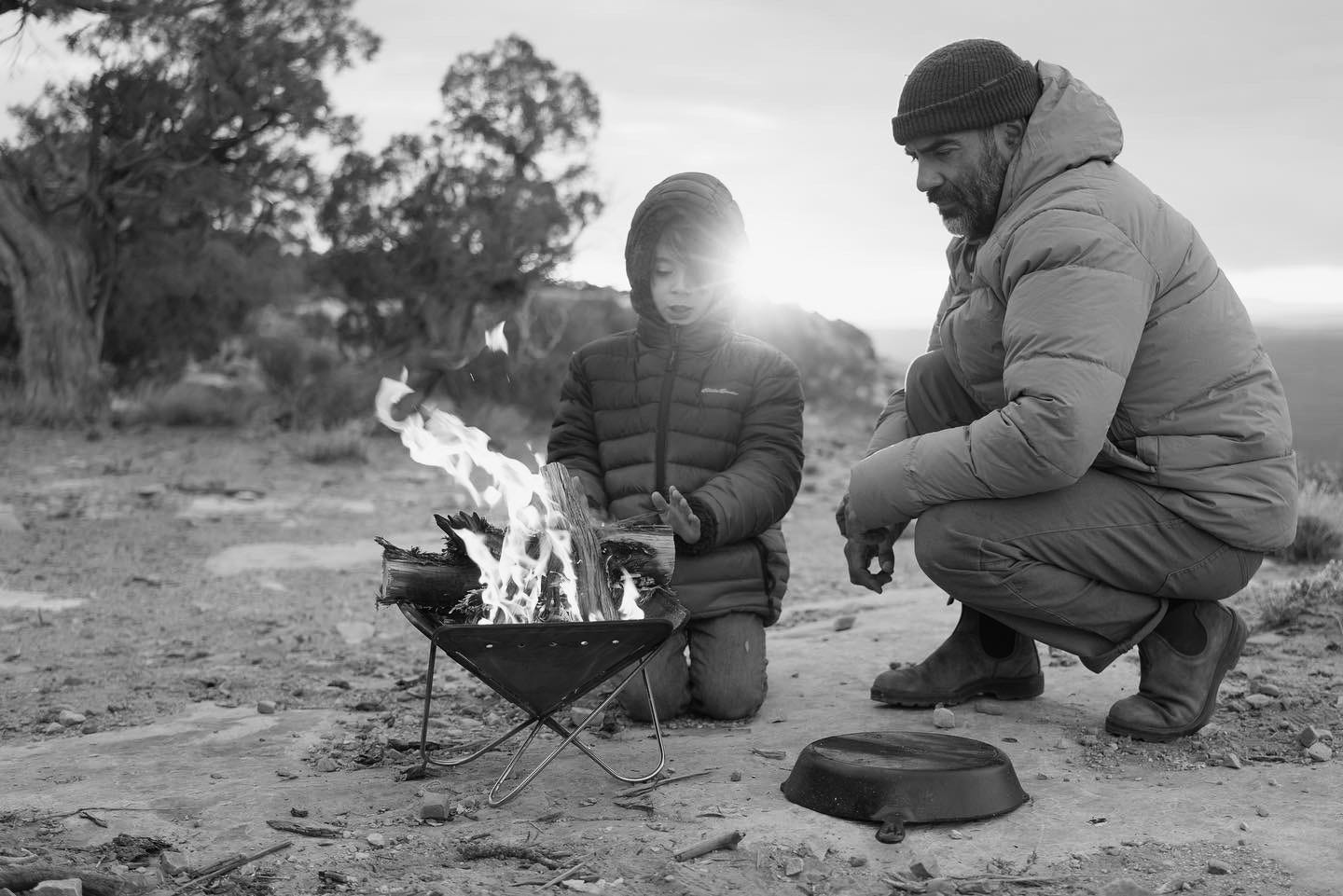
I want my son to have language for those moments because moral courage becomes considerably harder when you have to invent the words under pressure. She’s too drunk. She said no. Leave her alone. Don’t send that picture. We’re not doing this. I’m taking her back to her friends. What the fuck is wrong with you?
And when the situation is bigger than you, get help.
None of those sentences are heroic. That’s the point. We don’t need heroism. We need young men comfortable enough with themselves to interrupt the momentum of the group. Courage isn’t only refusing to participate. Sometimes courage is interrupting your own friends.
Perhaps this gets tangled up with masculinity because we’ve spent generations handing boys a counterfeit version of it. Don’t cry. Don’t show fear. Don’t ask for help. Take the hit. Keep moving. Some of that came from good intentions. Life is difficult, and I want my son capable of hardship, discomfort, and carrying weight when life becomes heavy.
But resilience isn’t emotional silence. Strength isn’t domination. Independence isn't the absence of needing others. It's knowing when to stand alone and when to lean on someone.
I want something different. I want my son to cry when he’s hurting and have enough self-respect to leave when something or someone becomes toxic. I want him to say I love you first, apologize when he’s wrong, and ask for help before pride turns a solvable problem into something darker. He won’t always get it right. He already knows most worthwhile things take practice.
I want him to protect people without controlling them and love people without believing he owns them. To understand that strength and tenderness aren’t opposing forces. To be kind, but not easy to take advantage of. Respectful, but not silent. Loyal, but not blindly so.
The world will offer him plenty of definitions of what a man is supposed to be. It will sell masculinity to him in oversized trucks and watches and whiskey bottles, in locker rooms, algorithms and whatever flavor of bullshit happens to be fashionable when he comes of age. It will tell him toughness means indifference, vulnerability is weakness, women are prizes, anger is strength, and cruelty is funny provided enough people are laughing.
The world has a hell of a marketing department; I should know, I’ve spent the bulk of my career giving companies the assets to sell people shit they don’t need.
I hope he ignores most of it.
I hope he becomes the kind of man whose strength doesn’t require somebody else’s weakness, the kind of man women feel safe around not because he announces himself as safe, but because his behavior makes the announcement unnecessary. The kind who understands that another person’s vulnerability creates responsibility, not opportunity.
Mostly, I hope he’s willing to lose his place in the group rather than lose himself.
Because someday my little boy will walk into those rooms without me. I won’t know who’s there, what they’re drinking, what photograph is moving around the group chat, who is frightened or who is laughing. I won’t know whether doing the right thing will cost him a friendship, a reputation or his place in the tribe.
That is the bargain of parenthood. We get these precious, maddening, disappearing years beside them, and then the doors begin closing behind them. The fence we spent childhood building becomes useless, and all that remains is the compass.
Experience teaches you something youth takes longer to understand.
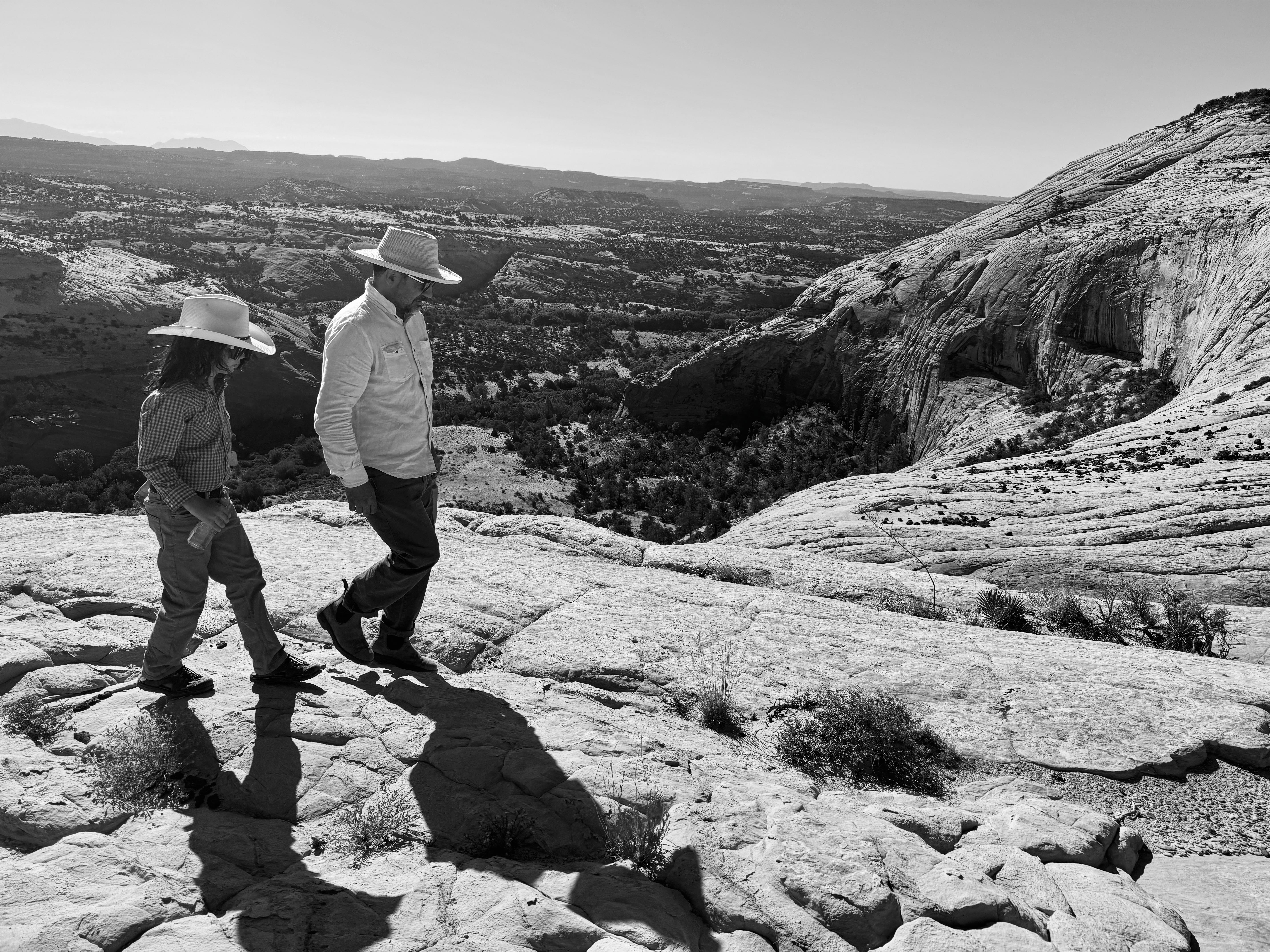
Turning around isn’t failure. Sometimes turning around is the decision that gets everyone home.
Not because his father is standing behind him telling him.
Because I won’t be.
Because somewhere during these years we have together, he will decide for himself what kind of man he intends to be.
*I use Grammarly to correct punctuation and grammar. Keep my THEs looking like THEs instead of TEHs. Dyslexia and all.
Your best Manifesto yet ❤️
Beautifully written! As the father of a 14 year old son, this is timely as I'm always thinking about how best to teach him leadership skills. This sentence here - "Sometimes leadership is recognizing that everyone is moving in the wrong direction and having the courage to stop walking with them." I think that distills the essence of leadership and masculinity. Thank you for this.